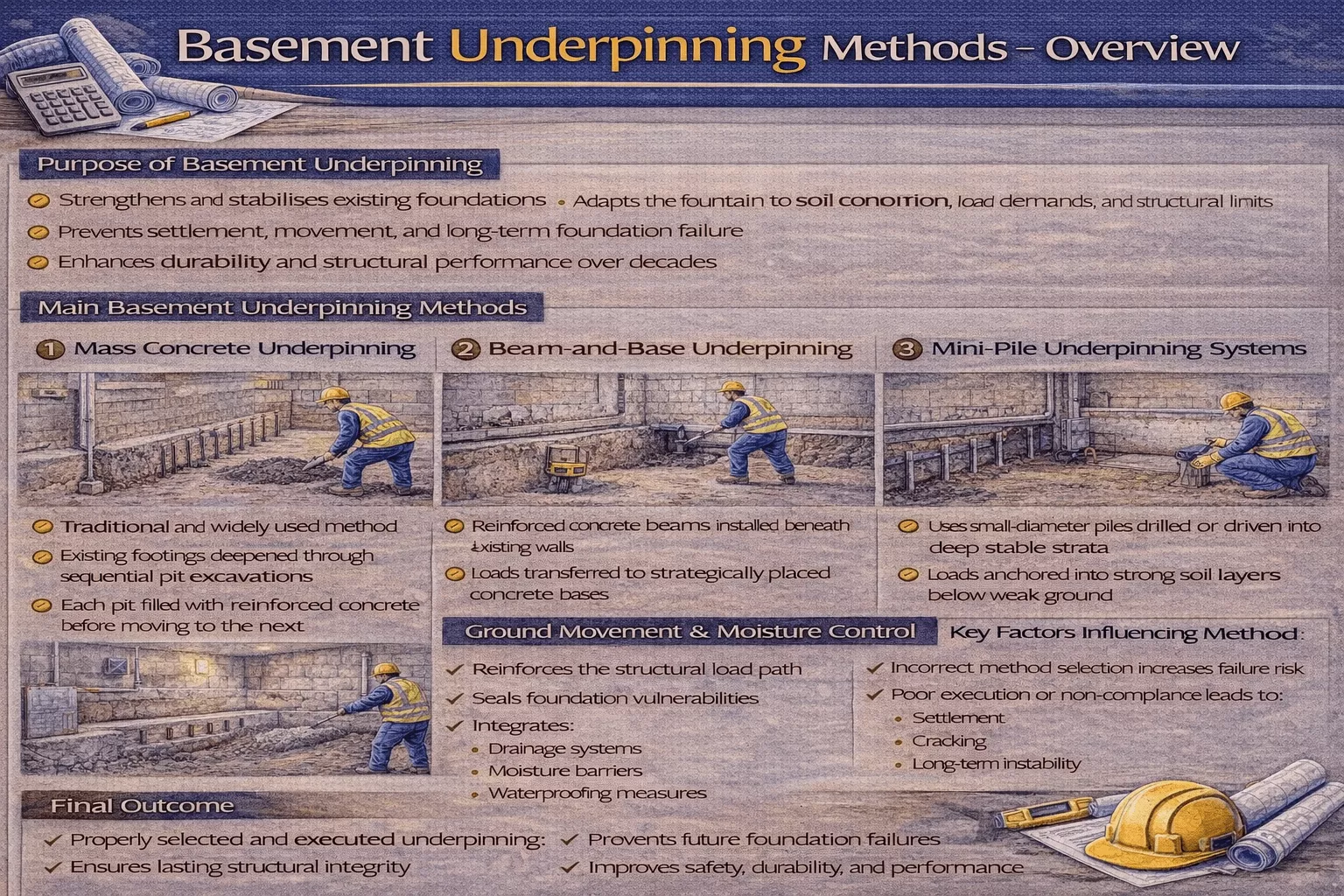
Basement underpinning methods strengthen and stabilise foundations by selecting and applying the technique most suited to the property’s structural condition, soil characteristics, load requirements, and project constraints. Traditional mass-concrete underpinning deepens existing footings through sequential pit excavations and concrete replacement, while beam-and-base systems transfer loads through reinforced beams into strategically positioned bases for broader load distribution. Mini-pile underpinning provides deep support in weak soils by anchoring loads into stable strata, and hybrid systems combine traditional and modern reinforcement to achieve greater depth, stability, and design flexibility.
Underpinning also controls ground movement and water intrusion by reinforcing the load path, sealing vulnerabilities, and integrating drainage and moisture-management systems. Long-term performance depends on method suitability, engineering precision, and compliance with construction requirements. Project limitations, such as unstable soil, restricted access, structural fragility, and environmental conditions, determine method feasibility, while risks arise when design, specifications, or execution are not properly followed. Properly applied underpinning establishes lasting structural integrity and prevents future foundation failures.
What Determines the Right Basement Underpinning Method for a Structure?
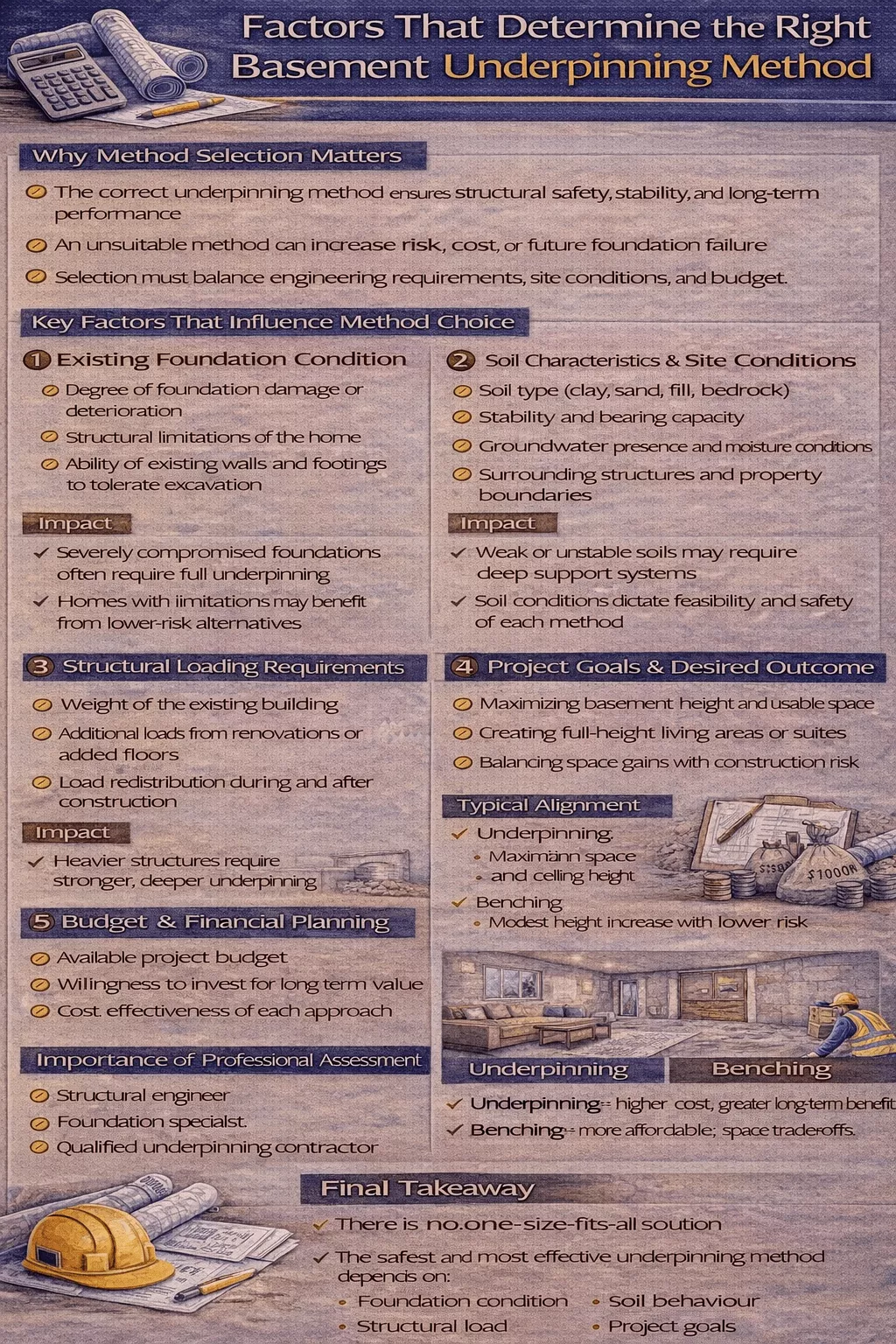
The factors determining the right basement underpinning method for a structure involve a careful analysis of the building and site conditions, guided by project requirements and financial considerations.
 These critical determinants include:
- Existing foundation conditions, including the degree of foundation damage and the structural limitations of the home.
- Soil characteristics and surrounding conditions must be carefully analyzed to determine the type of support required for stability.
- The structural loading of the building dictates the appropriate method needed to provide adequate support throughout and after construction.
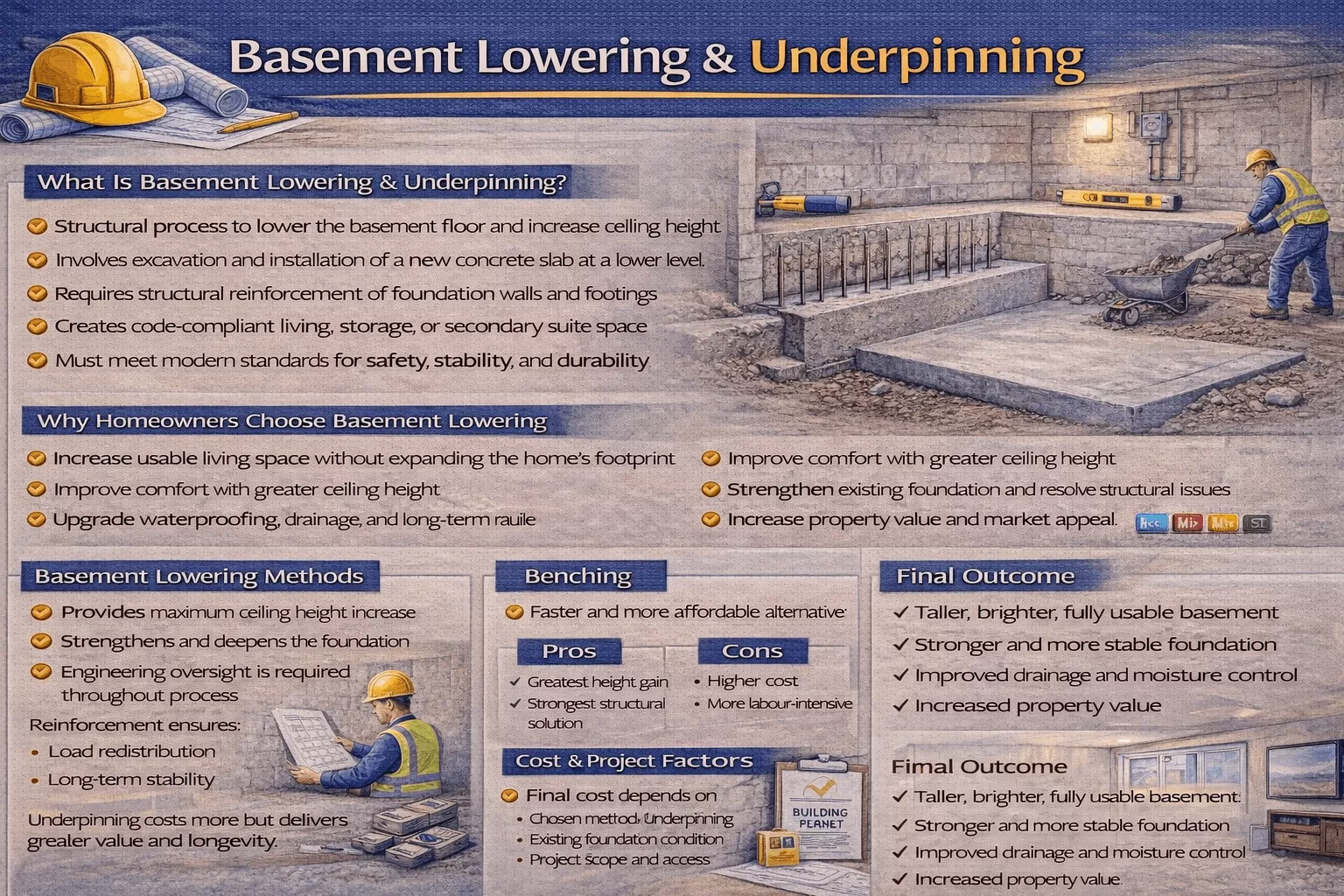
- Project goals, such as prioritizing increased basement space and height (where underpinning is often ideal) versus seeking a lower-risk, budget-conscious option (like benching).
- Budgetary constraints, as the approach recommended, must be cost-effective and aligned with the financial plan.
Ultimately, determining the safest and most effective approach requires consultation with a qualified structural engineer, foundation specialist, or contractor who can assess the property and recommend the strategy best suited for ensuring the building’s long-term stability.
How Do Traditional Underpinning Methods Work?
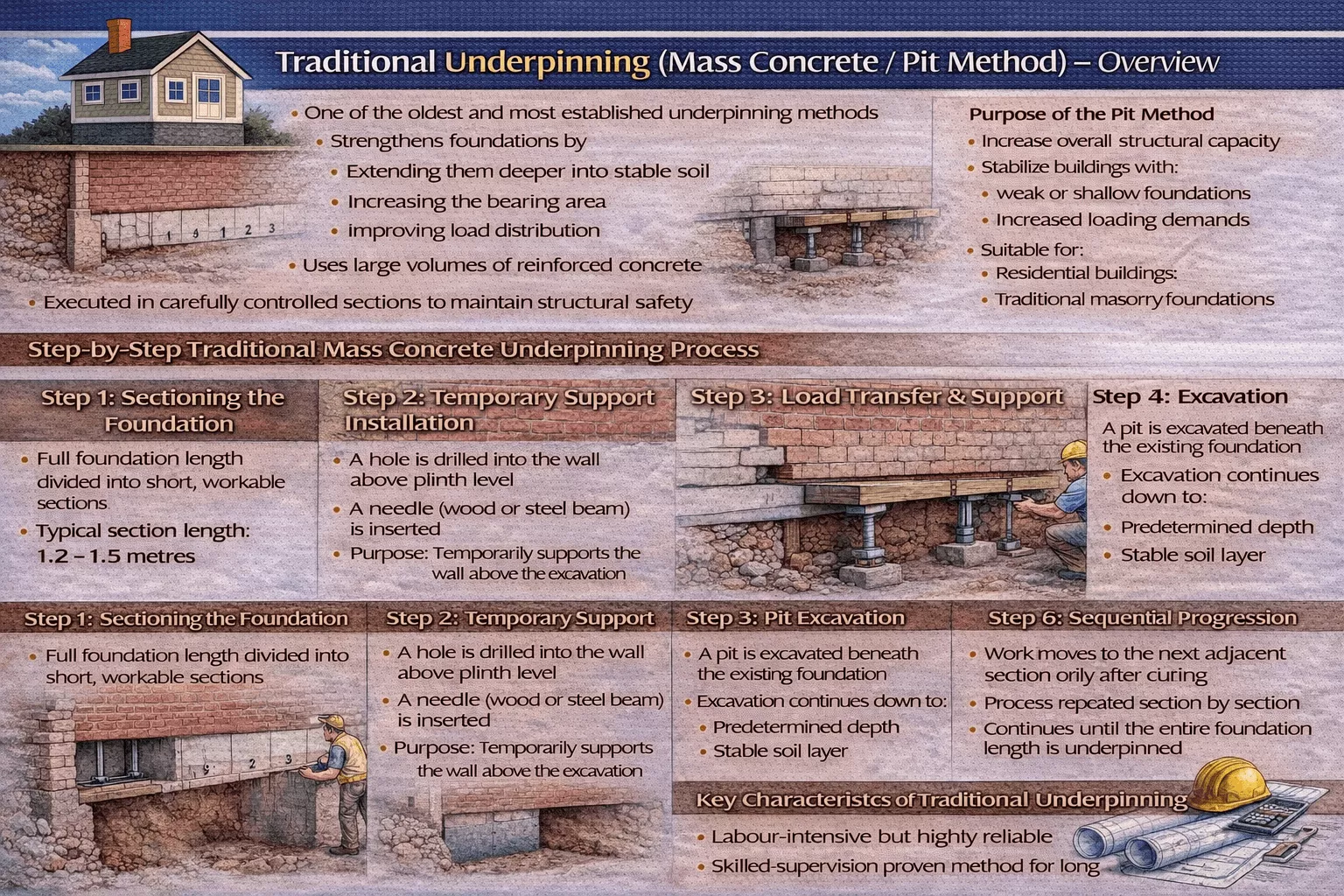
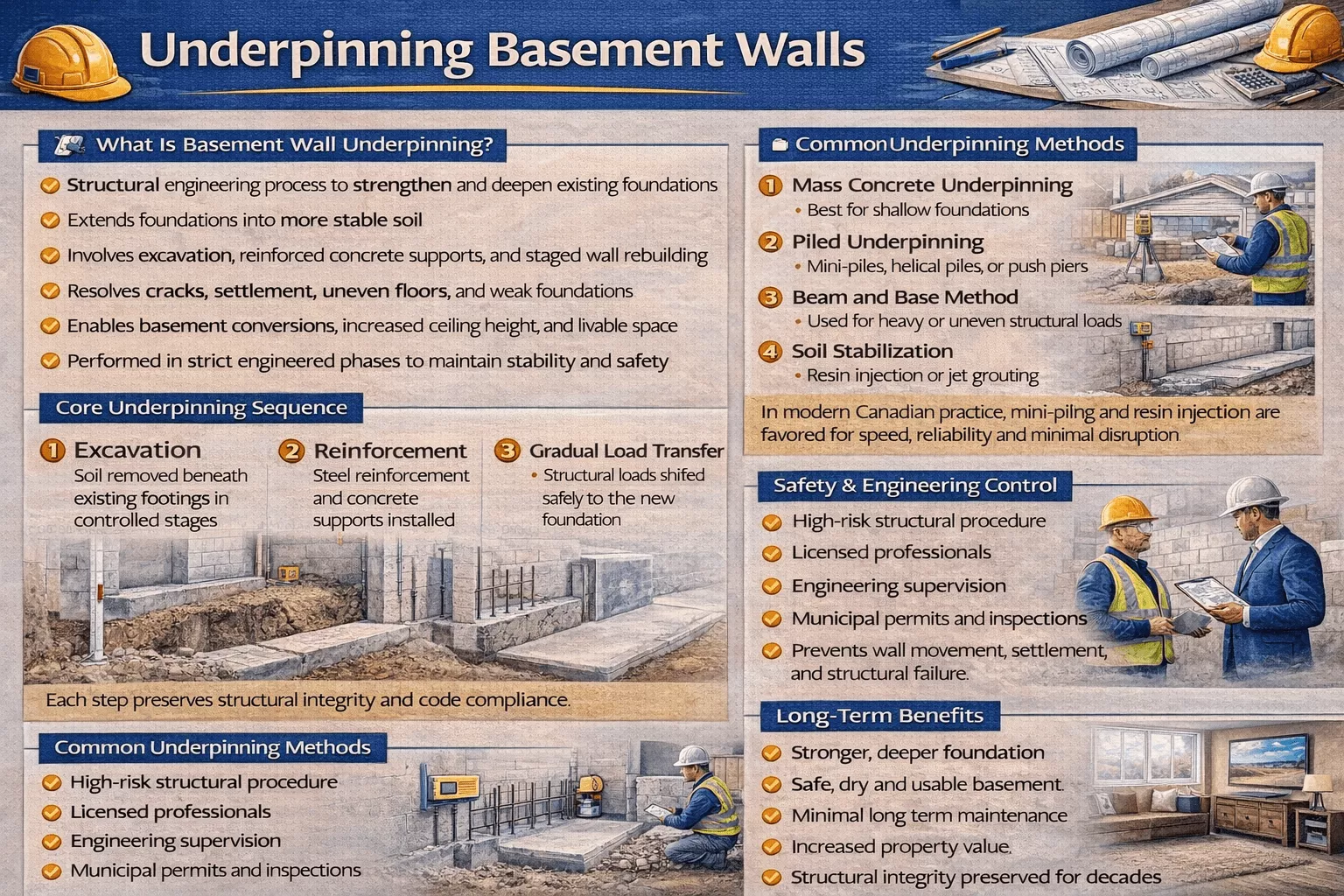
Traditional underpinning methods, primarily the Mass Concrete Underpinning (also known as the pit method), work by strengthening and extending existing foundations deeper into stable soil to increase bearing area and effectively distribute structural loads. This established approach involves the addition of substantial concrete mass beneath the current foundation by excavating and pouring new, reinforced concrete in carefully controlled sections to increase overall structural capacity.
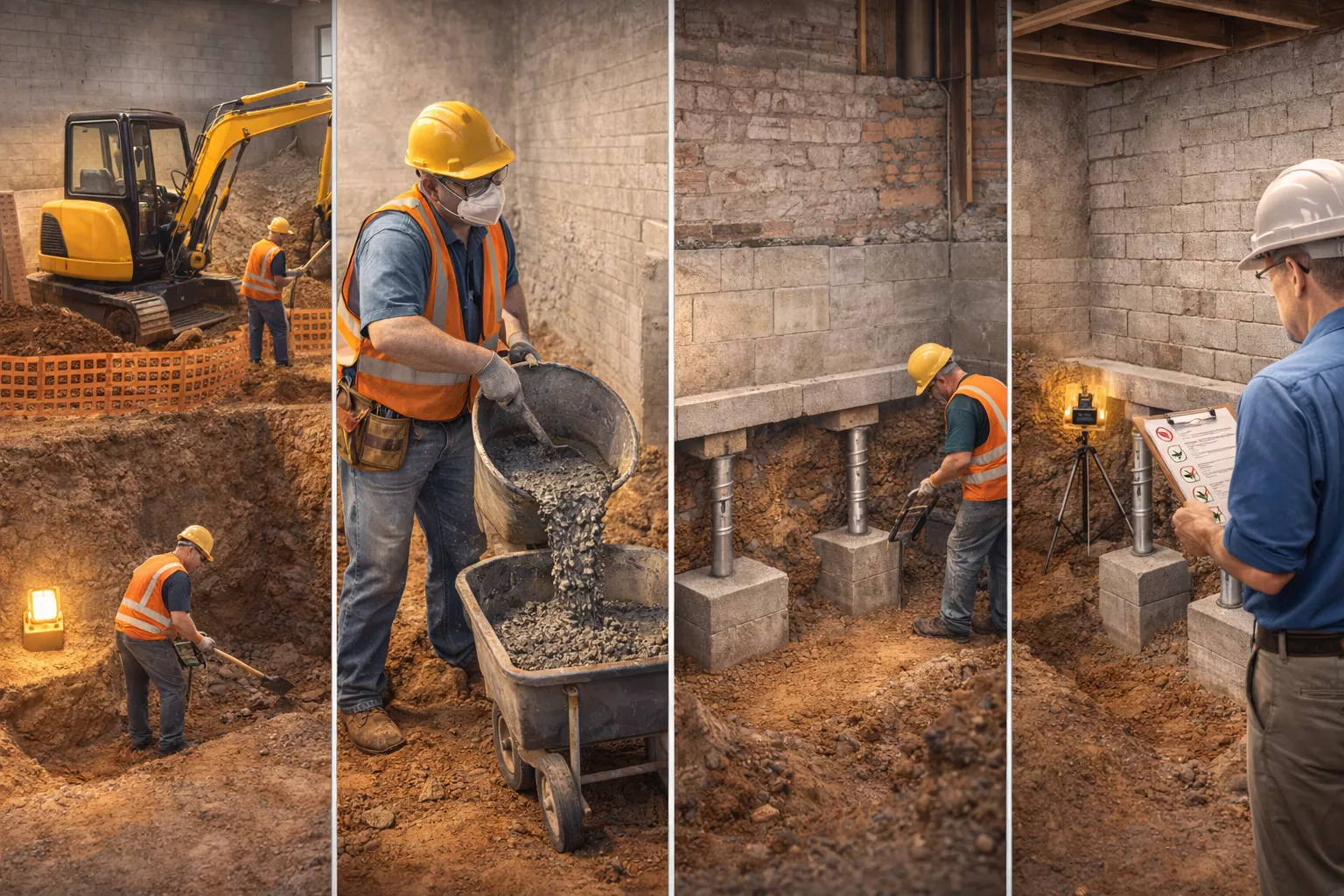
The sequence of steps for executing the traditional mass concrete underpinning pit method is as follows:
- The full length of the foundation requiring underpinning is divided into short, workable sections, typically 1.2 to 1.5 metres long.
- Temporary support is established by drilling a hole into the wall above the plinth level and inserting a needle (made of wood or steel).
- Bearing plates hold the brickwork above the needle, which is supported by wooden blocks and screw jacks on both sides of the wall.
- A pit is excavated beneath the existing foundation down to the predetermined depth where stable soil is located.
New concrete is poured into this pit to form the new, deeper foundation. - The entire process is repeated sequentially, moving to adjacent sections only after the previously poured concrete has set, until the full length of the foundation is complete.
How Do Beam-and-Base Underpinning Systems Distribute Structural Loads?
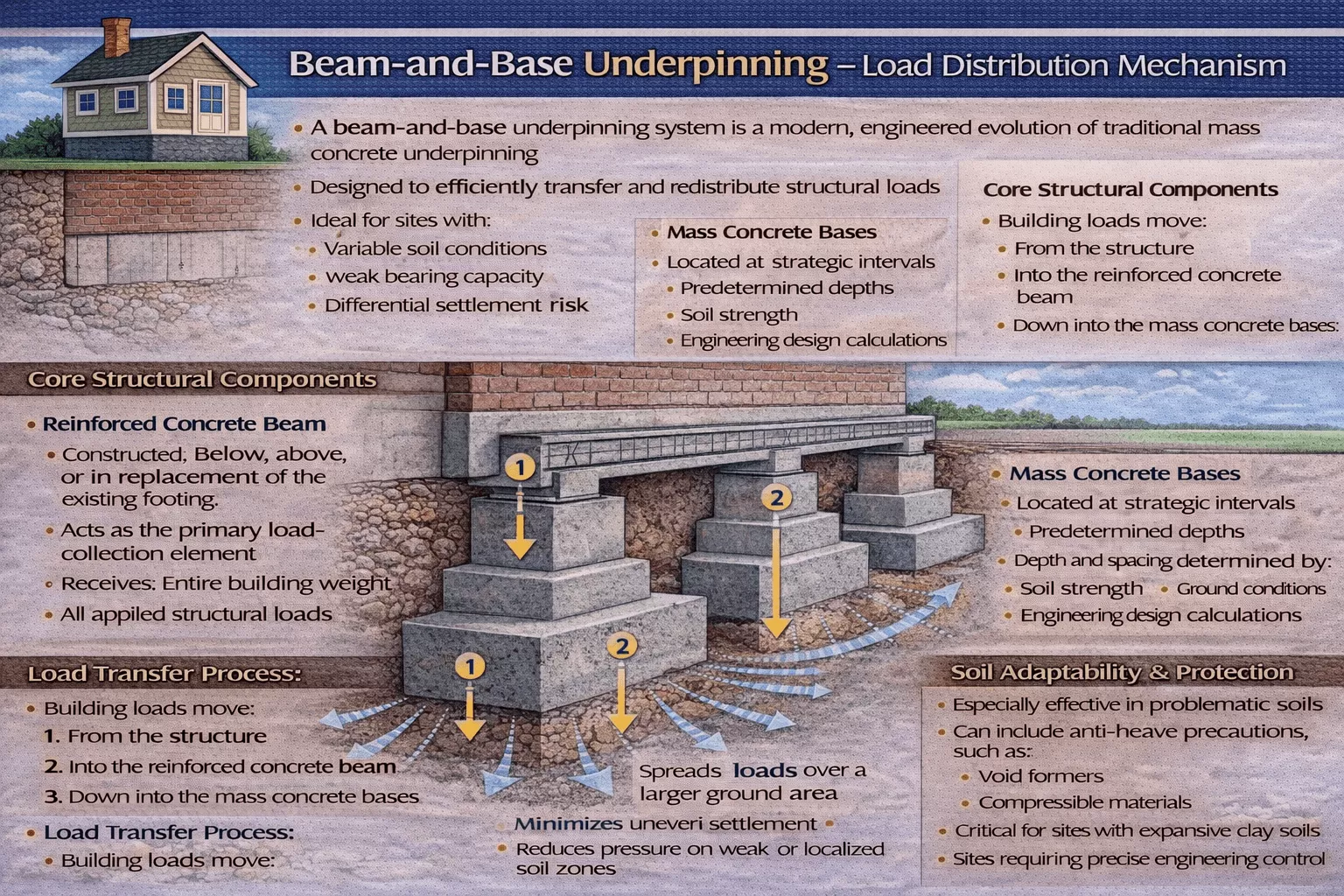
The core mechanism by which beam-and-base underpinning systems distribute structural loads involves the strategic use of a reinforced concrete beam, which acts as a modern and technically advanced adaptation of traditional mass concrete underpinning. This reinforced concrete beam is constructed either below, above, or completely in replacement of the existing footing. The beam receives the entire weight and applied loads of the building and then efficiently transfers this load to mass concrete bases. These bases are constructed at designed, strategic locations and predetermined depths, which are dependent upon prevailing ground conditions.
By transferring the load through the beam to these bases, the system distributes the building’s weight over a significantly larger area, successfully reducing pressure on weak spots and enhancing the property’s overall structural integrity, often incorporating anti-heave precautions where expansive clay soils are present.
How Do Mini-Pile Underpinning Systems Perform in Weak Soil Conditions?
The performance of mini-pile underpinning systems in weak soil conditions is highly effective due to their versatility, making them a suitable and modern approach for soft, loose, or poor ground where traditional underpinning methods may fail. This technique utilizes deep foundations, which involve drilling piles to depths typically ranging from 2 to 15 metres. By acting as reinforcement, mini-piles transfer the structural loads past the problematic soil layers down to stable soil layers located deeper within the ground, ensuring foundation stability in otherwise weak soil conditions.
How Do Hybrid Underpinning Methods Support Complex Basement Lowering?
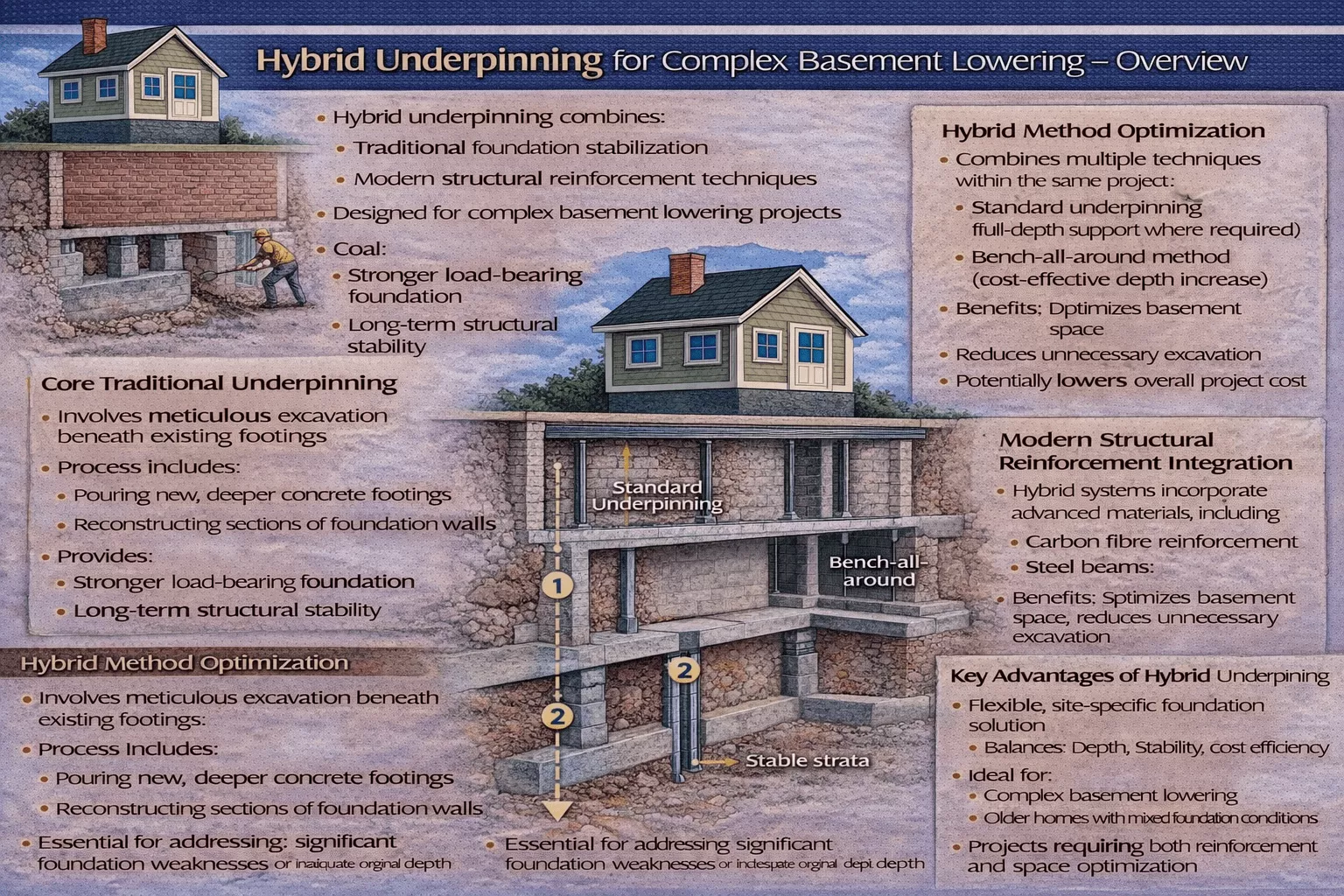
Hybrid underpinning methods support complex basement lowering by combining traditional foundation stabilization techniques with modern structural reinforcement to achieve optimal depth and stability. The core traditional component involves meticulously excavating beneath the existing foundation footings to pour new, deeper footings and reconstruct wall sections, a comprehensive process necessary for providing a stronger, more stable foundation that effectively addresses significant foundation issues. The hybrid approach allows experts to optimize space and potentially save money by utilizing a combination of methods, such as standard underpinning and the bench-all-around method, within the same project.
Furthermore, these methods incorporate modern structural reinforcement, including the use of carbon fibre and steel beams, to provide added strength and stability to the foundation during and after the lowering process.
How Do Underpinning Methods Manage Water and Ground Movement?
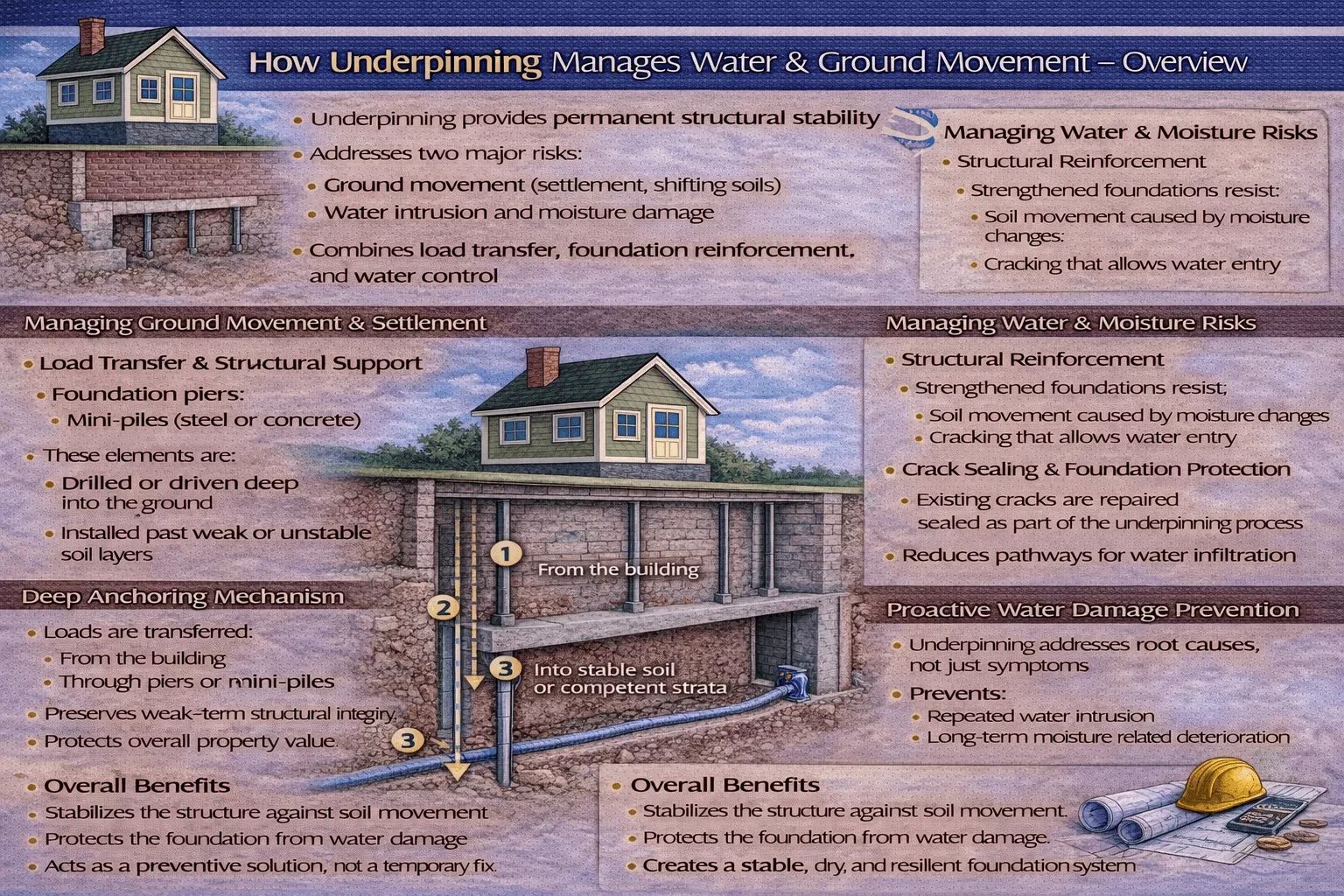
Underpinning methods manage water and ground movement by providing permanent stability and proactive water damage prevention through comprehensive structural reinforcement. Ground movement, such as settlement, is prevented when techniques like the installation of foundation piers or small-diameter steel or concrete mini-piles are used to transfer the building’s load. These components are drilled or pounded into the ground to bypass weak soils and anchor the structure onto more reliable earth or stable soil layers deep beneath the home, thus providing supplemental support and preserving the home’s value.
In terms of water management, underpinning methods help mitigate the risk of water damage and ensure a dry and stable basement environment. This is achieved through a combination of structural reinforcement, crack sealing, and the improvement or installation of drainage and water management systems. By addressing the underlying causes of water-related damages and strengthening the foundation, underpinning acts as a proactive measure to protect the property.
Which Basement Underpinning Method Offers the Best Long-Term Performance?
The basement underpinning method that offers the best long-term performance is the solution specifically tailored to the unique structural needs of the property, as no two homes or foundations are the same. Underpinning, when properly implemented, is the definitive structural repair designed for long-lasting stability and fundamental safety. This process ensures effective, permanent stabilization by extending the failing foundation deeper onto more stable soil, correcting serious issues like sinking, settling, and significant structural cracks while preventing their recurrence. This deep stabilization is achieved by pouring foundation wall extensions and structural supports that connect the existing foundation to new footings, establishing a continuous load path from the house structure to the deeper system.
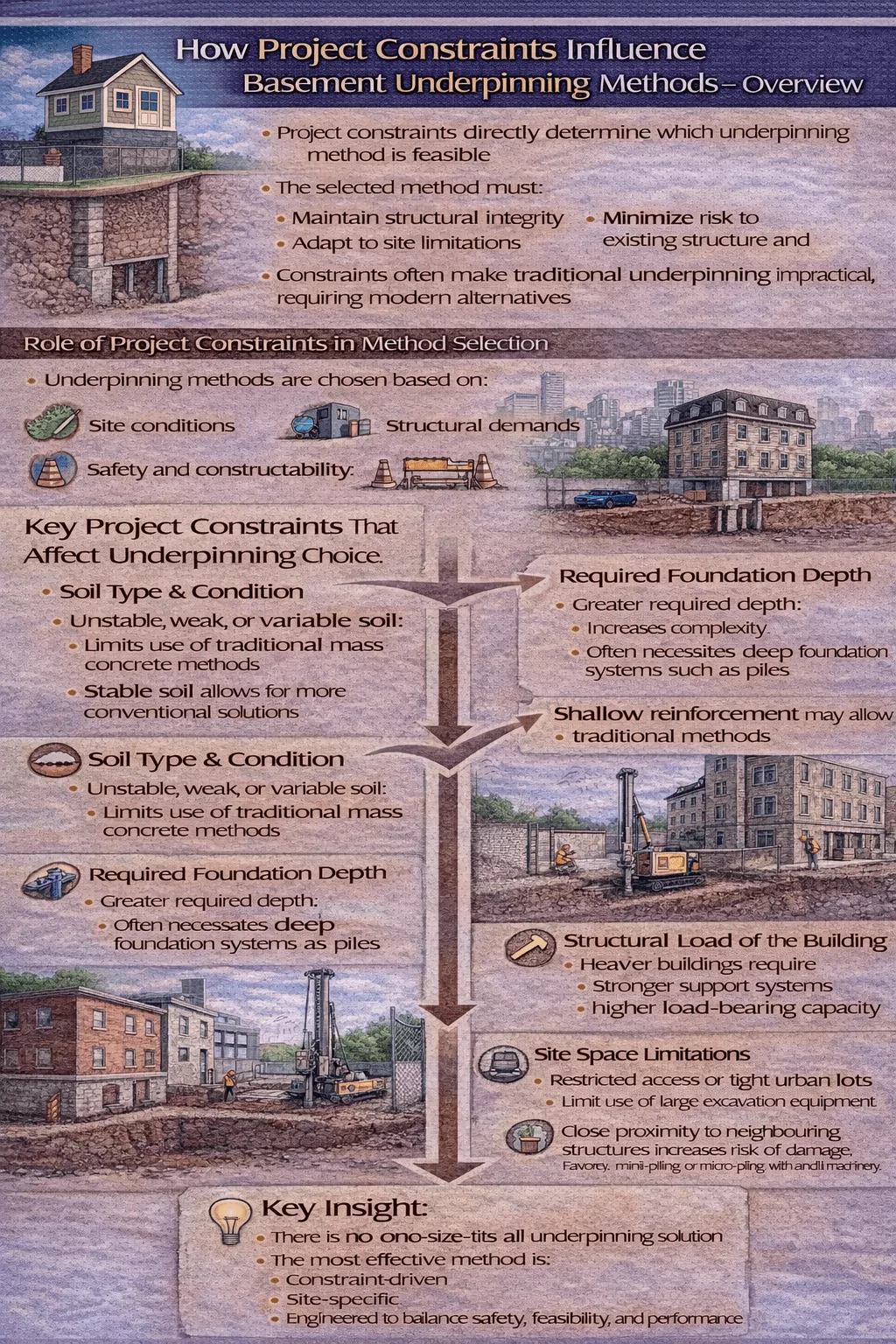
Why Are Project Constraints Related to Basement Underpinning Methods?
Project constraints are directly related to basement underpinning methods because these constraints dictate which specific technique is most appropriate and feasible for ensuring the structural integrity of the building. The method chosen must successfully address site limitations, such as unstable soil, restricted workspace, or the fragility of the existing structure, which can render traditional underpinning unfeasible, thereby requiring alternatives like mini-piling or micro-piling that offer support with minimal disturbance and vibration.
Key project constraints that influence the selection of a basement underpinning method include:
- The type and condition of the soil, as unstable ground often necessitates specialized, low-disturbance techniques.
- The depth to which the foundation needs to be reinforced or extended.
- The structural load carried by the building determines the required strength of the new foundation support.
- Physical space limitations on the site and the risk of damaging nearby structures often lead to the use of smaller equipment and techniques like mini-piling.
- The fragility or age of the existing home requires methods that generate minimal vibrations during the process.
- Various seasonal and environmental conditions can impact the pace, cost, and overall success of the outdoor construction process.
Why Are Construction Risks Related to Basement Underpinning Methods?
The construction risks related to basement underpinning methods are significant because, while underpinning serves as a beneficial foundation repair and house renovation strategy, the process involves complex structural modifications that are highly dangerous if not executed with expert precision and professionalism.
Risks, which can include both dangers experienced during the process and structural issues that manifest later, are closely related to the methodology used and often stem from failures in planning and execution:
- Failure in Professional Design: A structural collapse, one of the most severe risks in underpinning projects, typically occurs when a licensed professional engineer fails to develop the project-specific design, procedures, and sequencing required for the foundation repair.
- Non-Adherence to Specifications: Even if developed, risks remain high if the specific design, procedures, sequencing, and construction laws are not followed with the required utmost keenness and professionalism during the renovation process.
- Inadequate Implementation: Underpinning requires strict consideration of different construction strategies and adherence to laws, as inadequate implementation can lead to instability sometime after the entire process is completed.
- Dual Role in Risk Management: Paradoxically, proper basement underpinning is also a key method for mitigating existing risks, such as water damage, by providing proactive structural reinforcement, crack sealing, and installation of water management systems to ensure a dry and stable environment.
Why Are Waterproofing Failures Related to Basement Underpinning Methods?
Waterproofing failures related to basement underpinning methods are often rooted in cost-saving measures that compromise the integrity of the system. Budget-friendly approaches commonly result in the selection of cheaper materials, which compromise long-term durability and overall effectiveness. This decision can lead to premature deterioration, reduced resistance to environmental factors, and a decrease in the system’s ability to withstand water penetration. To prevent such failures, it is crucial to thoroughly assess the project’s needs, invest in high-quality, industry-approved materials, and consult with professionals who can offer valuable insights and handle the installation, ensuring the waterproofing aligns with the specific requirements of the underpinning project.
Why Are Cost Overruns Related to Basement Underpinning Methods?
Cost overruns related to basement underpinning methods are typically influenced by several unique project factors, many of which involve unforeseen challenges encountered during excavation.
The primary factors contributing to unexpected additional costs include:
- Soil and Ground Conditions: What is beneath the home significantly matters. Difficult ground conditions, such as clay-heavy or rocky soil, increase excavation time and difficulty. The presence of high water tables, poor soil drainage, or unforeseen rock can necessitate additional structural support or extensive waterproofing measures, raising expenses.
- Site Access and Utilities: Difficult site access can increase costs due to the necessity of specialized equipment or manual labour. Furthermore, the presence of underground utilities must be managed, which can complicate the project and influence the overall price.
- Project Scope and Structural Complexity: Initial project factors, including the size and age of the home, the specific depth to which the basement must be lowered, and the requirement to address existing structural challenges, are critical cost drivers.
- Unexpected Excavation Challenges: Any structural or ground difficulties encountered unexpectedly during the excavation process can lead to substantial additional costs that were not included in the original estimate.
Why Are Alternative Solutions Related to Basement Underpinning Methods?
Alternative solutions are related to basement underpinning methods because, while underpinning is widely recognized as one of the most reliable methods for stabilizing or deepening a home’s foundation, traditional approaches are often a relatively expensive, high-risk, and highly invasive type of construction. The high cost of full-scale underpinning is a major concern for homeowners with tight budgets, and common methods, such as pier underpinning, can be difficult to execute due to adverse subsurface conditions or site constraints, including limited access. This necessity for less invasive or more affordable solutions leads project stakeholders to seek alternatives, such as benching, which increases basement height without extending the foundation deeper by instead constructing a concrete bench or ledge around the perimeter to support the existing structure.


 These critical determinants include: