How Do Different Underpinning Methods Compare in Cost?
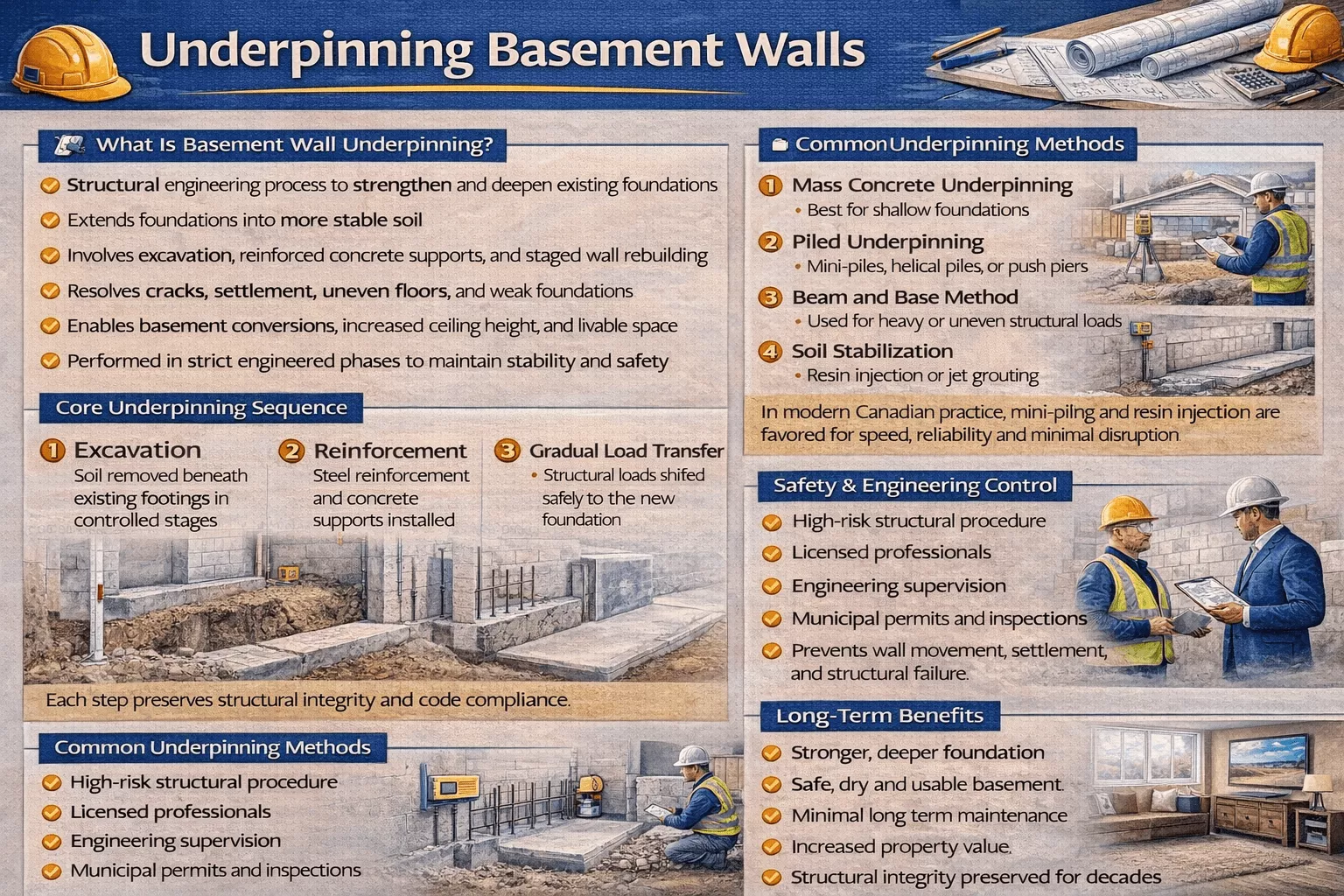
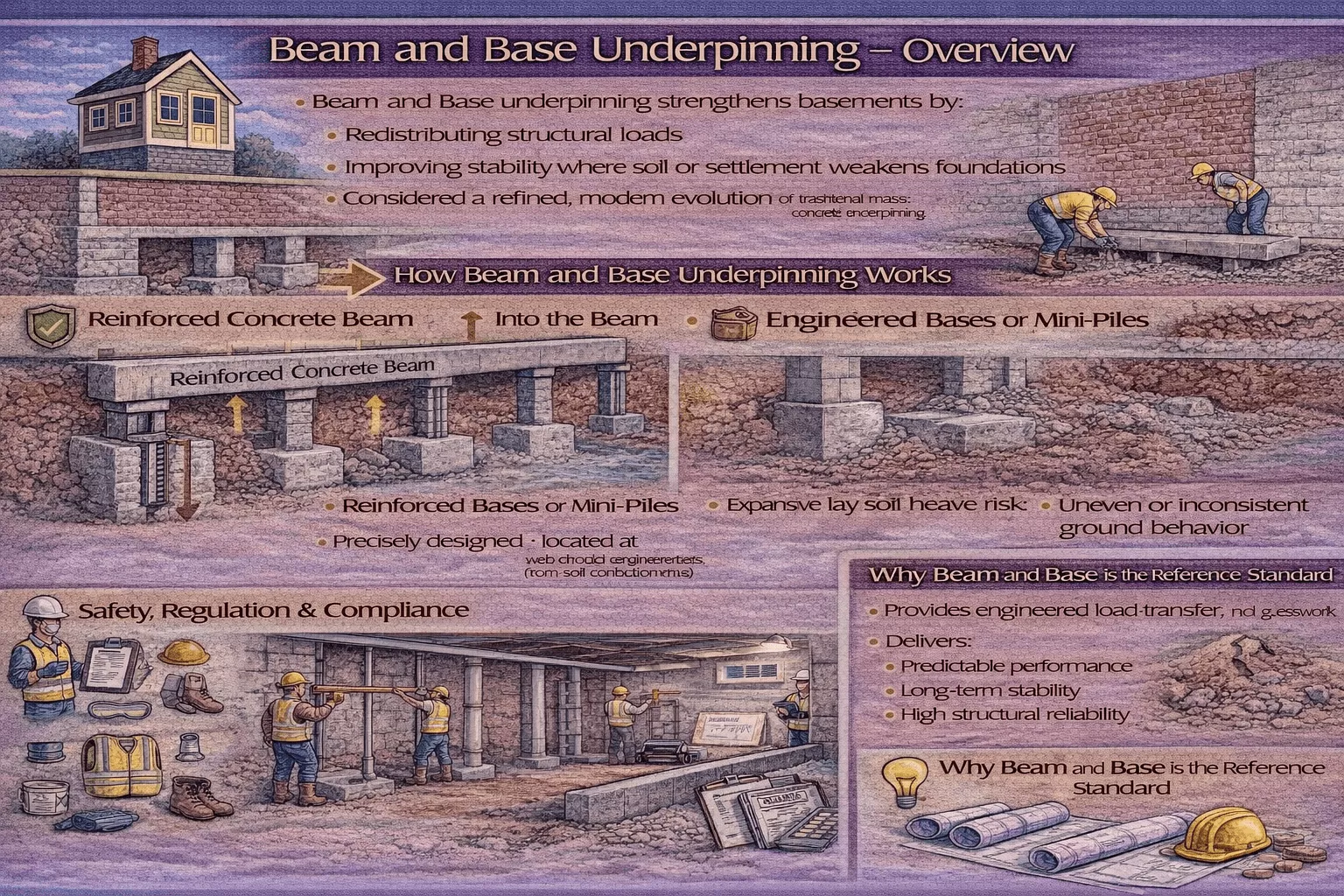
Basement underpinning costs vary widely depending on the method used, site conditions, and structural complexity. Traditional bench footing remains the most affordable option, averaging $10–$30 per sq. ft., ideal for basic reinforcement where full structural support isn’t required. Mass concrete underpinning involves higher upfront labour costs but benefits from inexpensive materials, making it suitable for standard residential projects. Modern systems like resin injection and screw or helical piles can be more cost-effective overall because they reduce labour time and site disruption, even though material and equipment expenses are higher.
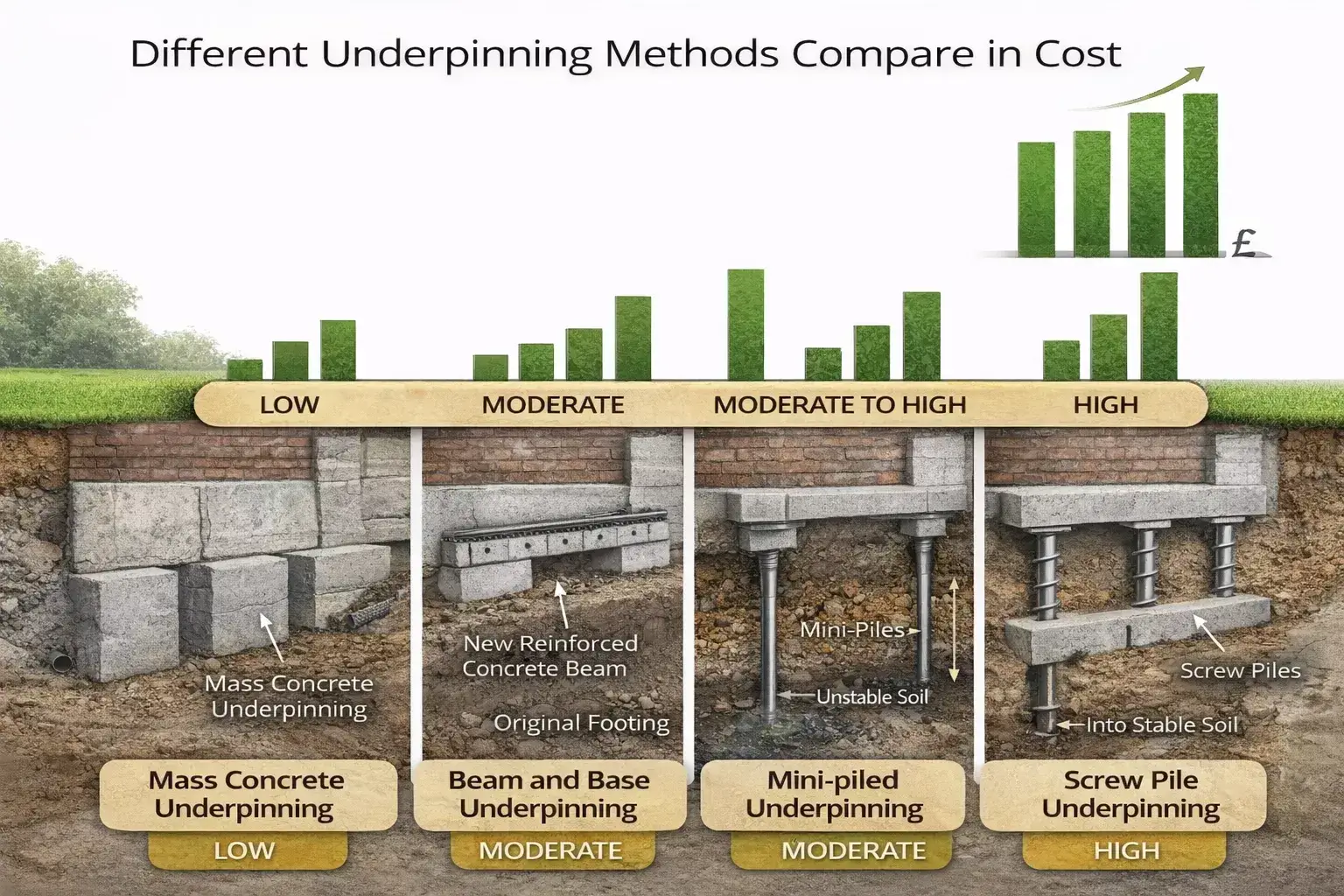
The table below compares the most common methods used in Canada and their key considerations:
| Underpinning Method | Estimated Cost | Key Advantages | Limitations |
|---|---|---|---|
| Bench Footing | $10–$30 /sq. ft. | Lowest-cost option | Limited structural improvement |
| Mass Concrete | Variable | Simple, uses cheaper materials | Labour-intensive, higher maintenance |
| Resin Injection | Variable | Fast, low labour, minimal disruption | Higher material cost |
| Screw/Helical Piles | Variable | Quick install, strong, stable | Specialized equipment needed |
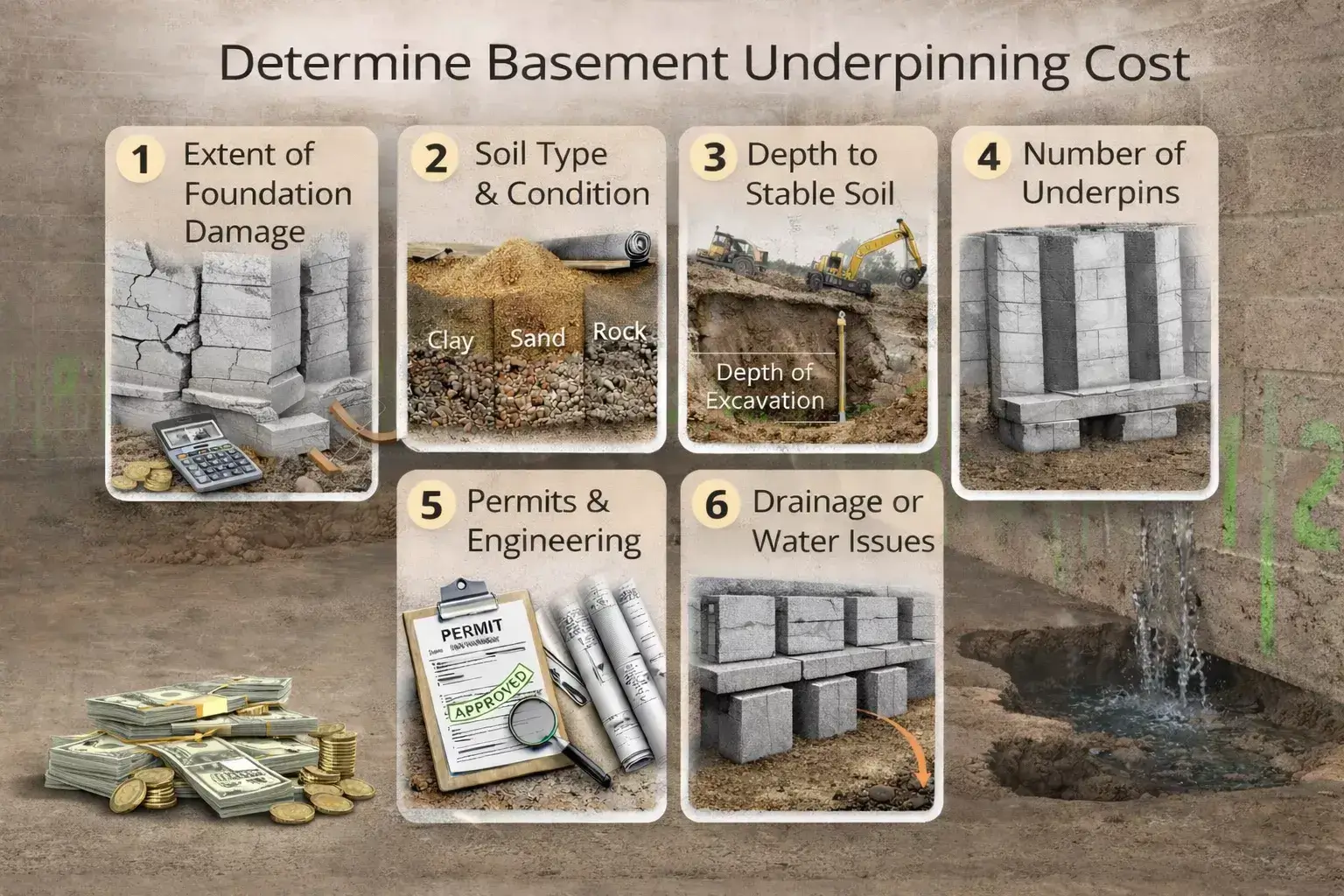
Several factors influence the total price beyond the chosen method. Deeper excavations, difficult soil conditions (e.g., clay or rock), or damaged foundations increase both labour and material requirements. Limited site access in dense urban areas, such as Hamilton, also raises logistics costs. Additional elements like engineering fees, permits, crack repair, and waterproofing further affect the final estimate.
Given Canada’s high real estate costs, homeowners often choose basement lowering or underpinning as a cost-efficient way to expand living space. The most suitable method depends on soil behaviour, foundation condition, and project depth, so obtaining a professional structural assessment ensures accurate costing and lasting results.
How Are Basement Underpinning Costs Calculated Per Square Foot or Metre?
Basement underpinning costs in Canada are calculated primarily by project area, in square feet or square metres, and adjusted for local and structural conditions. While there is no fixed formula, averages provide useful guidance. Homeowners typically pay $380–$450 per linear foot or $80–$90 per square foot for basement lowering, while standard underpinning projects average around $215 per square metre, totalling roughly $20,000 for a small residential property. These figures vary based on location, design complexity, and accessibility.
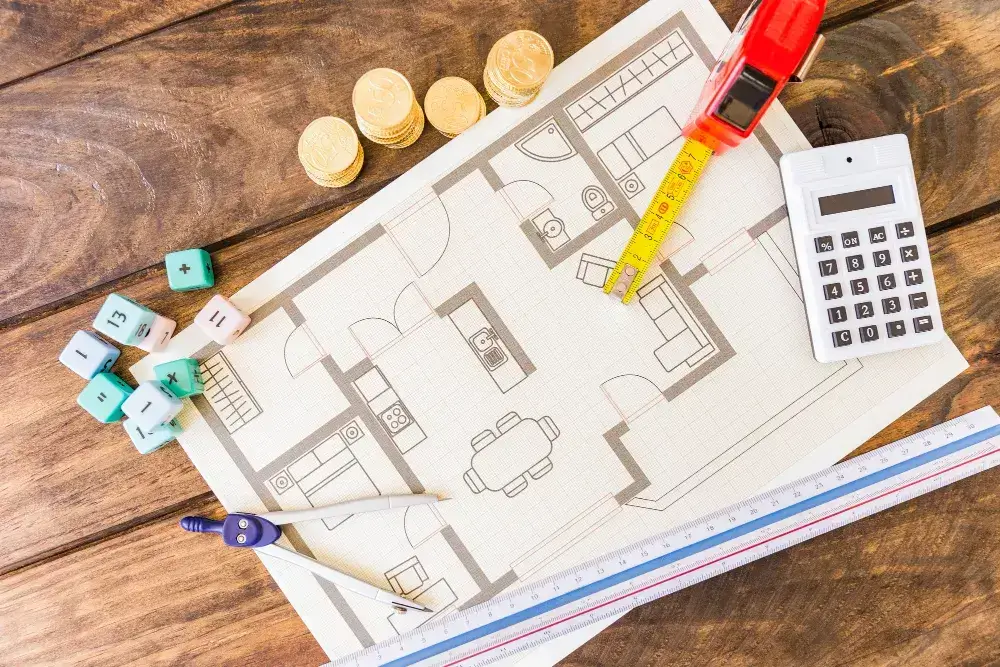
Pricing depends on several technical and environmental factors. Soil conditions, depth of excavation, foundation condition, and waterproofing requirements all influence cost. Projects involving clay or rocky soil, limited access, or significant structural repair demand extra materials and labour. Additional expenses arise from site preparation, floor demolition, crack repair, and permits, which must be included in the total budget.
For an accurate estimate, homeowners should consult a qualified structural engineer. Engineers assess the foundation, site conditions, and design scope to produce a personalized report aligned with Toronto building codes. This ensures transparent pricing, safety compliance, and long-term durability. In summary, underpinning costs per square foot or metre combine measurement-based calculation with site-specific engineering analysis, giving each project its own unique cost structure.
What Hidden or Additional Costs Should Homeowners Expect?
Hidden or additional costs in a basement underpinning project often arise from unforeseen site conditions, compliance requirements, and related finishing work. Factors such as soil instability, high water tables, limited access, or structural surprises can add thousands to the initial quote. Projects requiring hand excavation, dewatering, or specialized machinery may increase total costs by 10–15% or more, especially when unexpected issues like foundation cracks or contaminated soil are discovered.

Key additional expenses to budget for include:
- Permits and engineering fees: Building permits, drawings, and structural assessments typically add a few thousand dollars.
- Utility relocation: Plumbing, HVAC, or electrical lines may need rerouting when the basement depth changes.
- Waterproofing and drainage: Systems like sump pumps or weeping tiles can add $5,000–$15,000+.
- Inspections: Mandatory building inspections throughout construction add individual per-visit fees.
- Accessibility challenges: Tight spaces may require manual digging, extending labour time and cost.
After structural work, homeowners often face post-underpinning expenses such as temporary housing during construction and finishing work, including framing, drywall, flooring, and lighting, which can cost $25,000–$50,000+. Choosing an experienced, licensed contractor is also crucial; though their rates may be higher, professional workmanship prevents costly delays or rework. Proper budgeting for these hidden factors ensures a safe, compliant, and financially predictable underpinning project.
How Can You Reduce the Cost of Basement Underpinning?
Reducing the cost of basement underpinning involves combining practical construction choices with smart planning and efficient resource management. One of the most effective ways to cut expenses is by selecting alternative or hybrid methods. For instance, bench footing is cheaper and less labour-intensive than full underpinning because it avoids deep excavation, though it slightly reduces basement space. Crawlspace conversions offer another cost-efficient solution, turning shallow crawlspaces into usable basements with proper ceiling height. Some projects benefit from combining underpinning and bench footing, underpinning only where structurally necessary, while using benches elsewhere to maintain stability at a lower cost.
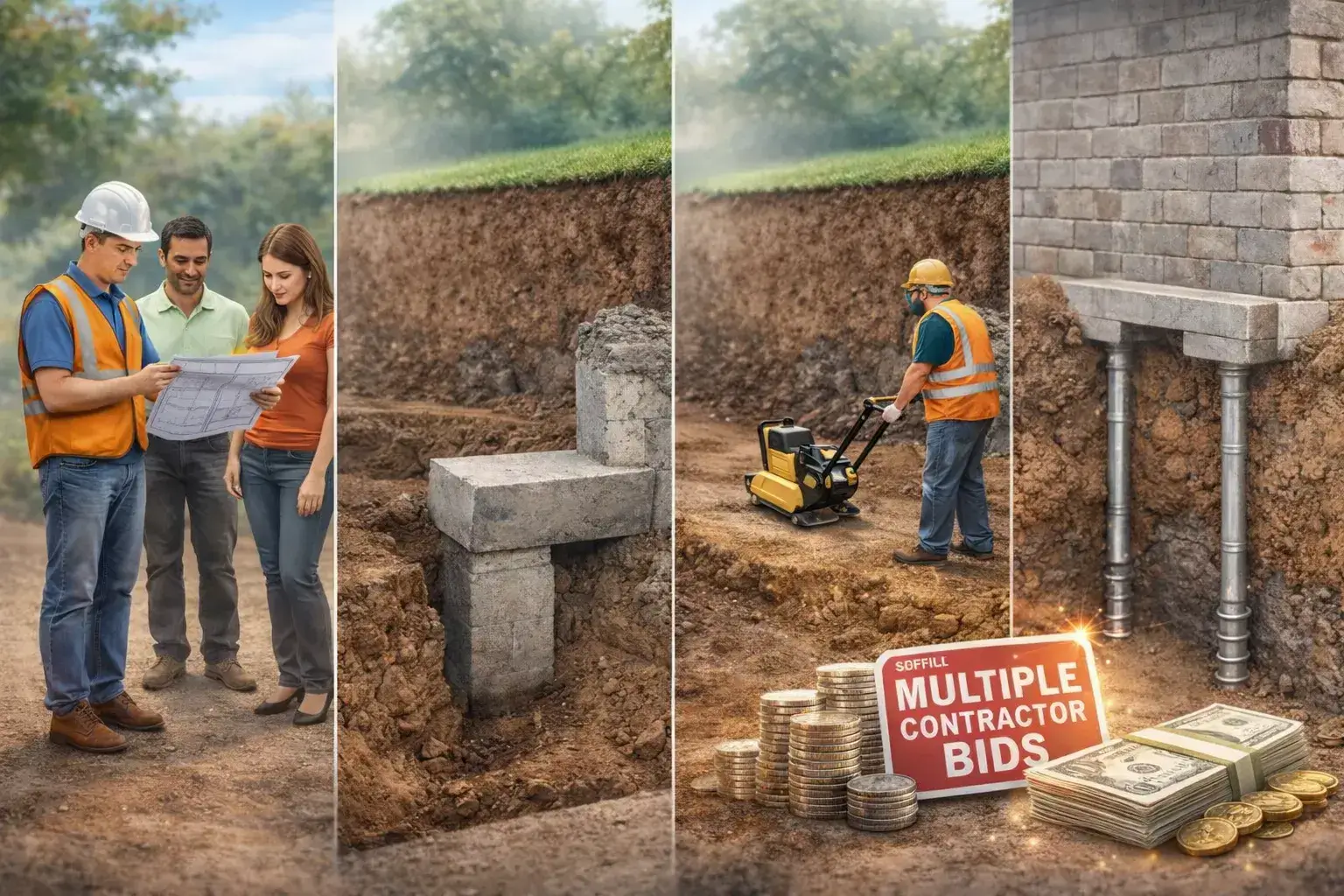
Homeowners can also save through strategic planning and timing:
- DIY finishing work, such as painting or cleanup, reduces labour costs.
- Compare contractor quotes to identify competitive pricing and evaluate service quality.
- Schedule during off-peak seasons to take advantage of lower rates.
- Plan carefully to avoid material waste and delays.
- Negotiate the project scope to remove nonessential elements and focus on essentials.
Finally, use financial and procurement strategies to stretch your budget:
- Explore financing options from contractors or lenders to spread out payments.
- Source materials directly from suppliers or through discounts to avoid markup costs.
- Hire a licensed, experienced contractor to ensure quality and prevent costly rework.
By combining these cost-saving methods, efficient planning, selective construction techniques, and professional execution, homeowners can achieve a structurally sound, code-compliant, and affordable basement underpinning project in Canada.
Should You Repair or Underpin Your Basement Foundation?
Whether you should repair or underpin your basement foundation depends on the extent of damage, root cause, budget, and future renovation plans. Underpinning is ideal for homes with major structural issues such as deep cracks, significant settlement, or shifting soil. It involves excavating beneath the existing foundation to extend it deeper into stable ground or redistribute the load over a broader area. This process not only reinforces the structure but also allows for basement lowering, waterproofing, or preparing the foundation for additional floors or heavy extensions. In older Toronto homes with shallow or unstable foundations, underpinning provides long-term safety and stability, particularly in areas prone to soil movement or groundwater fluctuations.
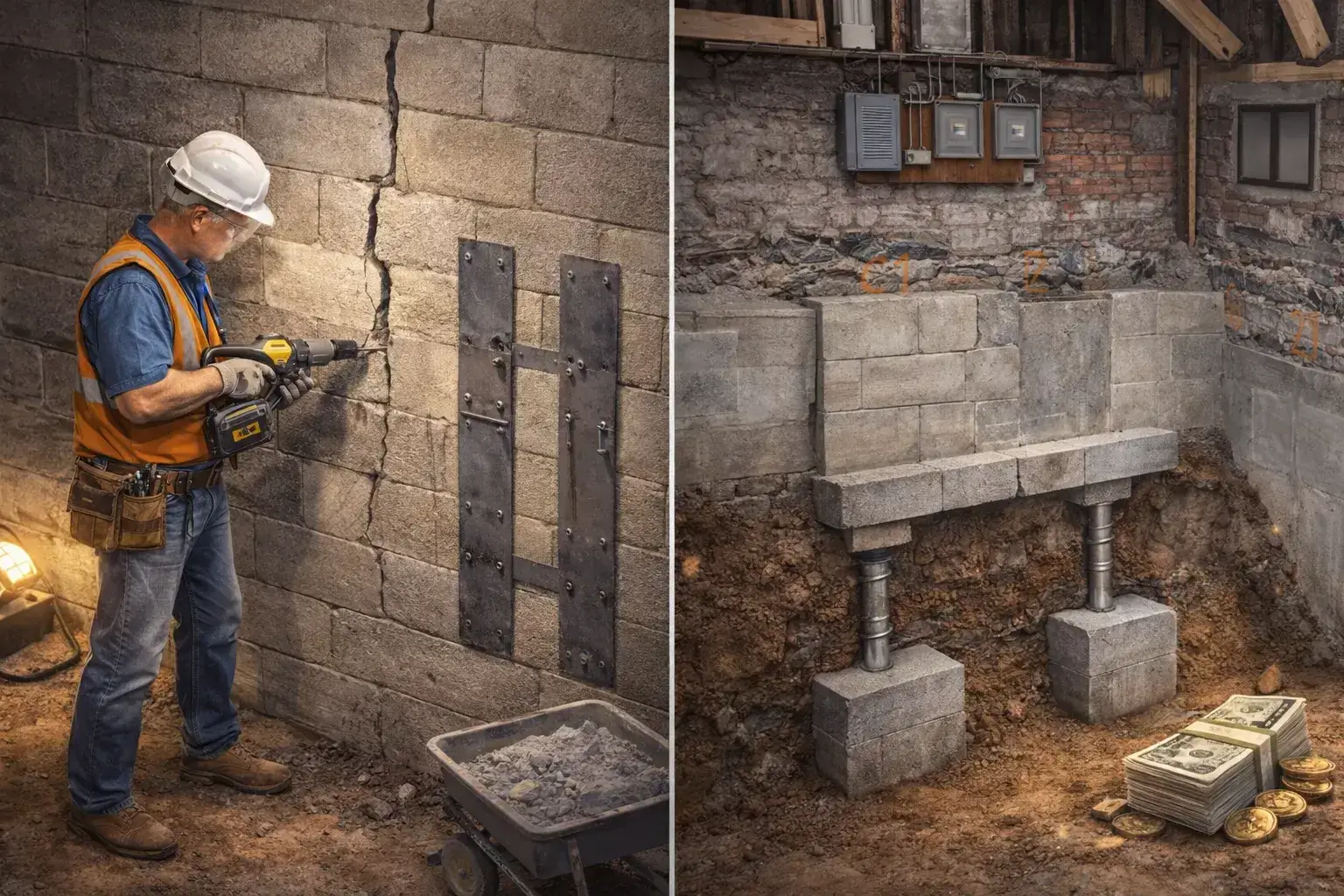
For minor or surface-level issues, foundation repair is often a better choice. It addresses problems such as small cracks, water seepage, or uneven floors without the need for extensive excavation. These repairs are less expensive, faster, and less disruptive compared to underpinning, making them suitable for homes where the structural integrity remains largely intact. However, foundation repair may not be effective if the problem is caused by deeper soil instability, erosion, or long-term settlement.
Cost and planning considerations are also key. Underpinning requires heavy machinery, excavation, and additional labour, which makes it more costly but better suited for long-term property investment, especially if you intend to finish or expand your basement. In contrast, foundation repair maintains the existing structure without increasing its load-bearing capacity, making it ideal for homeowners seeking a short-term, budget-conscious solution. In summary, choose an underpinning for deep structural reinforcement and future expansion, and opt for foundation repair when dealing with smaller, localized foundation issues.